ATCs in the Mail

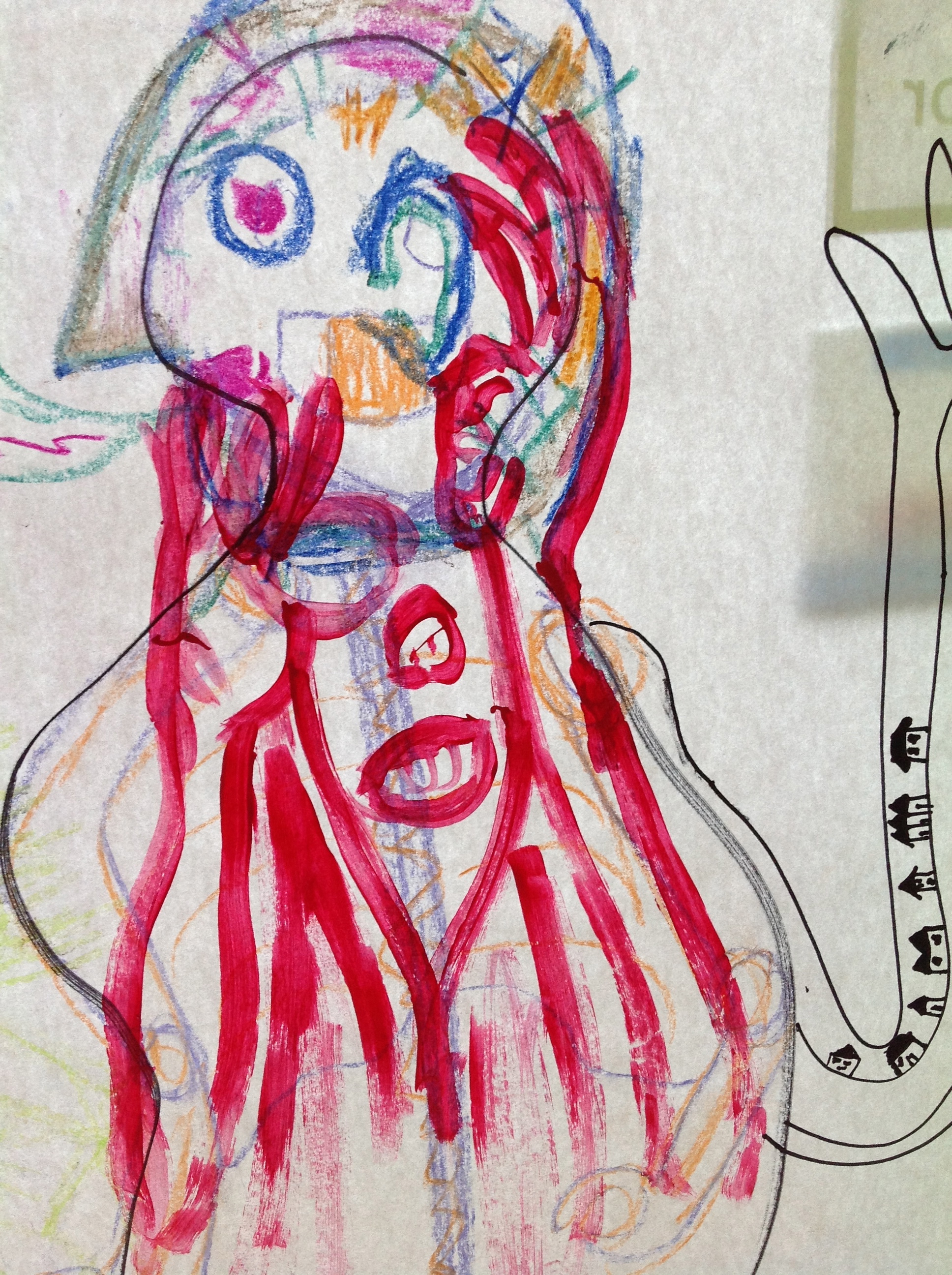
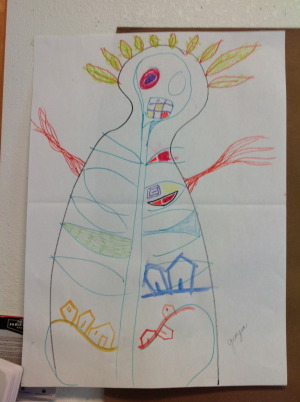
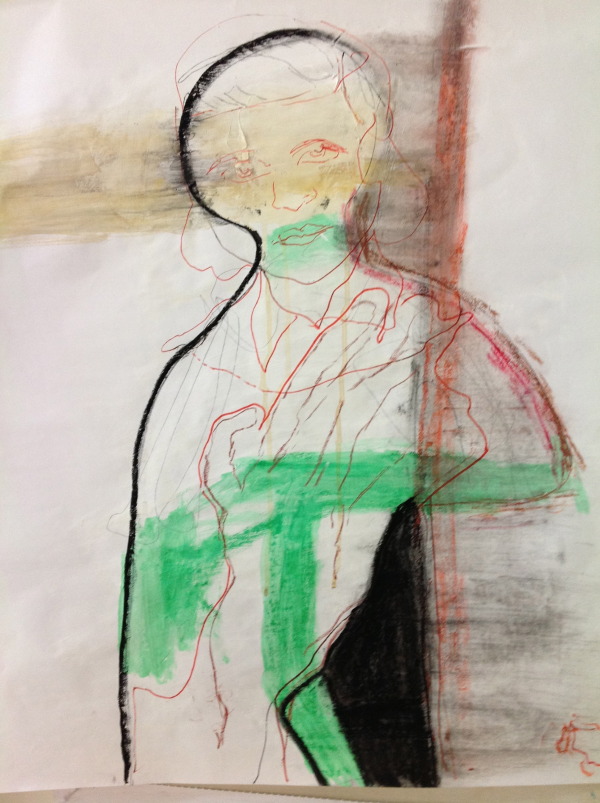
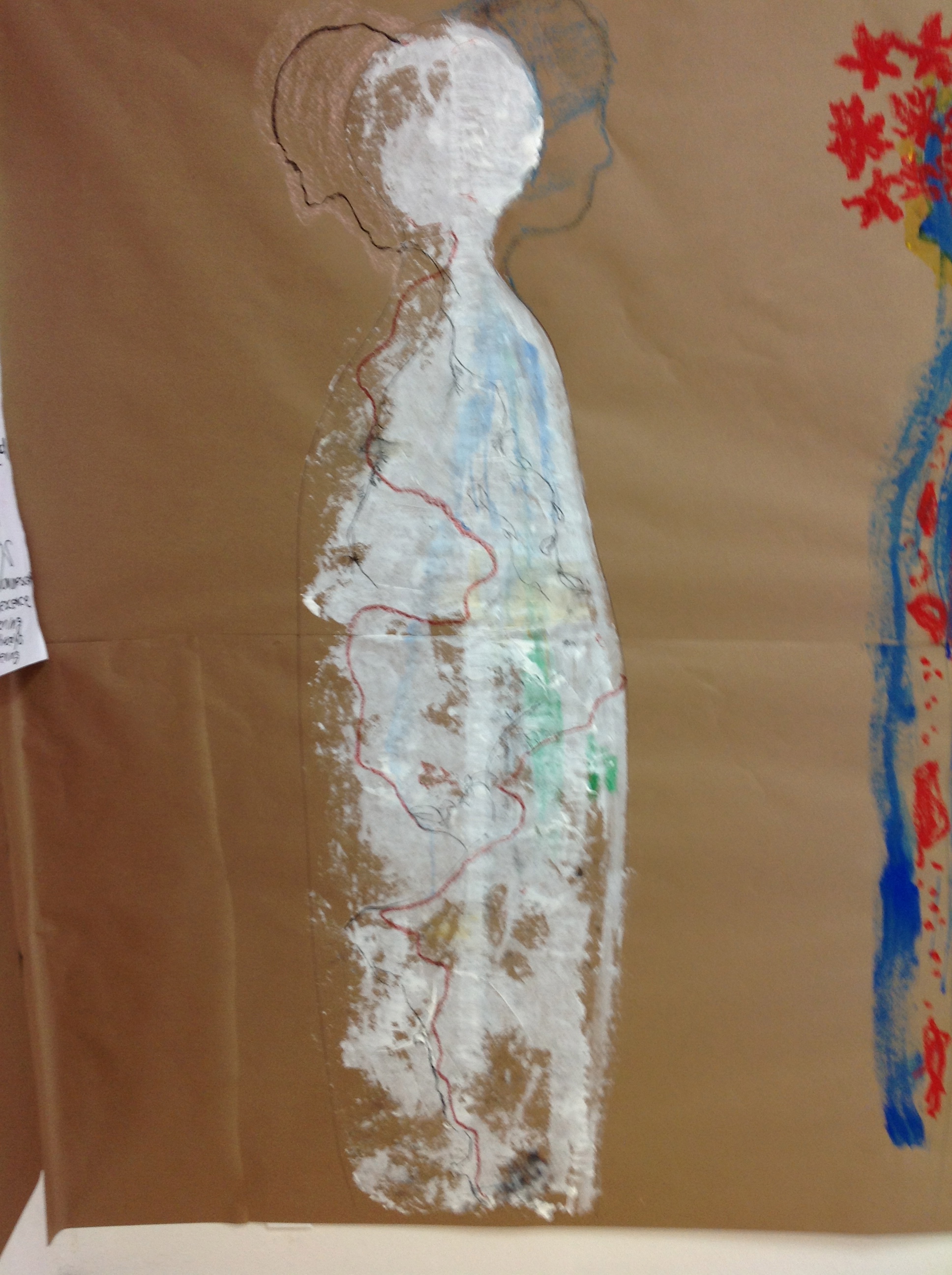
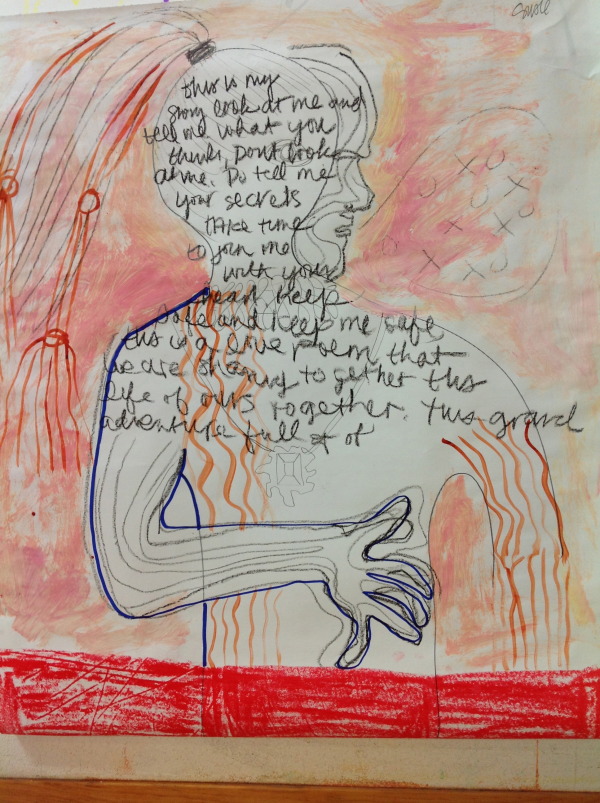
For those commentors who were the first to add their suggestions to the post about little changes and keeping things fresh, the ATCs are almost to the mail box. I'm waiting on addresses for a couple of you. But here's a preview and a little sharing with the others who added after number 5. It's fun to read comments, and I always enjoy the conversation.
On other studio fronts: I presided over my last meeting of Fiber Artists of San Antonio (not the last I'll attend, the last as President - presiding is the operative term). It's been a great ride (hey, take a look at the great story about the Runway Show on May 3) and all of the boardmembers, committee chairs and members who were active, engaged and participating have enriched my life immeasureably. As we become more connected internationally and nationally through avenues like this blog, like video conferencing, some experts point out that we (the big we) are becoming more isolated from civic participation, the in-person volunteering, politicing, even soft ball teams are losing membership in many communities.
I like both kinds of communication: the internet connects me with those who inspire from afar. The local fiber artist group inspires me in a whole other sense, toward the do-able, the in-person contribution, the personally present. And of course, I come down on the side of active communication and active creativity over the passive partaking of hours and hours of video, gaming, music etc. that increasing fills the space inside our heads.
Update: After Photos
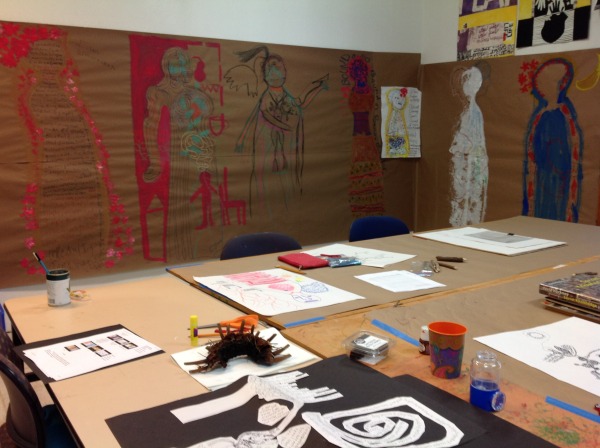
Here it is. Six photos worth a thousand words. (See post before last for the BEFORE pics.)


You can see examples of the kinds of projects we'll be tackling in this weekend's Text on the Surface Workshop.
Note: I had a note that the comment section of my blog was acting up earlier. If you had trouble posting, sorry. I think its fixed now.
Change is Good for the Brain

Travel is always a good stretch, especially in a foreign language, but darn, I just don't see Italy in the picture this summer!
Promise. The studio pics are coming. But there is still one dreadful corner of the studio to attack tomorrow. I spent today on non-cleaning tasks, and a little R & R in the virtual world led me to this great article in the New York Times: Can You Become A Creature of New Habits, by writer Janet Rae-Dupree. The story is rich and full of food for thought. But it did reinforce my sense that changing my space around, no matter how time consuming it may seem, does add a little pizazz to the thinking skills. Keep those same photos and inspirational notes on the same bulletin board for too long, I forget to see them.
Here's a couple of my favorite grafs (she's quoting Ryan, author of a book titled This Year I will... and her business partner Markova ):
Ms. Ryan and Ms. Markova have found what they call three zones of existence: comfort, stretch and stress. Comfort is the realm of existing habit. Stress occurs when a challenge is so far beyond current experience as to be overwhelming. It’s that stretch zone in the middle — activities that feel a bit awkward and unfamiliar — where true change occurs.
“Getting into the stretch zone is good for you,” Ms. Ryan says in “This Year I Will... .” “It helps keep your brain healthy. It turns out that unless we continue to learn new things, which challenges our brains to create new pathways, they literally begin to atrophy, which may result in dementia, Alzheimer’s and other brain diseases. Continuously stretching ourselves will even help us lose weight, according to one study. Researchers who asked folks to do something different every day — listen to a new radio station, for instance — found that they lost and kept off weight. No one is sure why, but scientists speculate that getting out of routines makes us more aware in general.”
I think that's the situation I'm seeking right now with a teacher, a workshop, perhaps travel, maybe just a self-directed course of study in a different field or different focus. Sure, I plan to keep the main thing the main thing (my fiber art work and teaching), but I know I make better and more interesting art and am a better and more interesting teacher when I'm building new brain pathways.
What are your favorite ways to stretch? Anything new on your horizon that you'd like to share?
Just to keep it interesting, I'll send a small art prize to the first 5 readers who comment!
Getting on Top of the Studio: Organization for Organizationally Challenged

Or is the studio on top of me. Feels that way right now. Those of you who have attended one of my workshops may be under the mistaken assumption that I am a neat and well-organized artist.
Oh, how wrong.
One of the unexpected benefits of teaching in my studio is that I am forced to clean, tidy and organize at least once a month. Pride and necessity coalesce to motivate me before the participants arrive. Truth is, I work with piles of stuff, large piles, scary piles. When I am in the art-making mode, I just can't be neat and tidy. All those mountains of material must magically return to their bottles before anyone else can fit in the space, as large as it is. Having a large studio has been a mixed blessing -- I have room to continue working without cleaning as I go. Great for flow. Not so great for organization. This is not a plea to the universe for downsizing, BTW. I LOVE my studio. But it does look like Vesuvius after the erruption at times (like now).
What does work:
Keeping items in like categories, no matter their end results or techniques. ie all the batik materials together. All the scissors together. All the textile paints together. If I get too fussy about my sorting, I'll spend all my time trying to keep it together. Big lumps of categories work best for me, no alphabetized sortings of dye colors -- though I do write the colors large on the lids, so I don't spend all my time squinting.
The art drawer cabinet is filled with "roughly" sorted colors of smallish pieces of fabric. So if I need a green I know where to go. If I need all the green, I can dump the drawer out on the design table. I don't spend time folding or neatening up these drawers, they are the surprise grab bags of the studio. Larger pieces of fabric are folded (sometimes) and stored in large plastic bins by type -- silks and silky stuff here, florals there, dyed pieces in progress in another, white linens in yet another, clothing to cut up in another. These are a bit unwieldy, but the best system I've found so far. When the lids are down and the bins stacked, the studio returns to visual calm.
I'm lucky, since the space was once a full kitchen, bath and studio apartment to have lots of shelves and drawers for supplies like scissors, dye and paints. The quality of these fixtures is lousy -- drawers are falling apart, hinges are dodgy, and someday I'll have to do a remodel, but for now, it works well enough.
Moving things around as a motivational factor. I don't like things to stay the same forever spacially. I like my desk in different places, the design tables moved around and reconfigures. Some stuff is too heavy to move, but it works for me to rearrange as part of the neatening it all up process.
Paper work also tends to pile up, no matter what "system" I try. A few methods have stuck, but maintanence still takes me longer than I wish it would, and when I'm busy with a production deadline, my "inbox" becomes a nightmare. Here's my paper system for now:
Open file box with hanging folders for my 43 folders. Also three hanging folders for "Read and Review," "Errands," "Dreams and Goals." Anything dated (deadlines, maps, supply lists, appointment papers, etc) goes into the proper day or month folder. And, even if I get behind on sorting -- my May folder items are still waiting to go into the proper days -- this system has been a godsend, saving me hours and hours of looking for lost stuff.
Three small file cabinets that fit under the bar for a.) business paperwork, including workshops and exhibits, b.) household bills and important papers, c.) everything else in alphabetical order, also modeled on David Allen's Getting Things Done.
In the virtual world, I aim for INBOX Zero. That keeps me relatively mindful of what's coming in and going out via email and gets me to tend to little wiggly stuff as it happens. Not that I always achieve it -- but the days are over of finding myself with 478 items in my inbox. I also keep my calendar (one calendar only) on my computer (ical) and copy email dates, appointments, deadlines into it, printing it out about once every two weeks so I also have a hard copy. I now have an iphone and that has helped enormously, because I can carry synced versions of my calendar, my contacts and email along with me.
PS. This whole thing depends on a BIG inbox (a card table actually) where papers, supplies, art etc. coming into the studio lands until I take time to sort it out. At least if it lands in one place, I have a halfway decent chance at finding it if I need something BEFORE I get it back in its home.
Having so nicely listed my ideal, it's time to tackle the actuality. Time to put on HGTV, read a few inspirational organization blogs*, have my Diet Rite cola iced up and ready to go, sset a timer for 1 hour increments (as a reward for each hour of cleaning, I spend 15 minutes doing something more fun) and visualize how nice it will be to have everything back in its place. As additional motivation, I will post some follow-up AFTER photos.
And, if you have any suggestions that might help me tame the beast, please post a comment. I'd also like to hear how other artist's organize materials and supplies. What works for paper, doesn't always transfer to stuff -- and what works for linear thinkers, doesn't always work for us spacial/visual thinkers.
*No time to list more of these now, but I'll add them to tomorrow's AFTER post.